
How to Lower Cholesterol Naturally 


lower cholesterolWhat is cholesterol?

Cholesterol is a waxy or fatty substance that is vital for many bodily functions, especially to produce hormones, help make vitamins, and build and repair cells.

The liver makes the cholesterol needed by the body and it is also obtained from animal foods like meat, poultry and dairy.

The two major types include low-density lipoprotein cholesterol, also known as LDL cholesterol or “Bad Cholesterol”, and high-density lipoprotein cholesterol, also known as HDL cholesterol or “Good Cholesterol”.

For those who have high levels of the bad type of cholesterol, the hopeful news is that a large number of health conditions caused by high cholesterol can easily be prevented with simple lifestyle improvements consisting of diet, exercise, and natural remedies.

Why it’s important to keep cholesterol in check 

Too much bad cholesterol (LDL) in the blood increases the risk of plaque build ups (fatty deposits) in the artery walls and may result in atherosclerosis, a condition where arteries become narrow and hard. This may cause a number of heart and blood vessel-related (cardiovascular) conditions such as heart attack and stroke.

How to lower cholesterol by natural means 

Naturopathic medical science is a type of healthcare that integrates proven traditional methods with modern treatment. It encourages the body to heal itself from within using several alternative natural therapies. The best part is that it focuses not only on suppressing the symptoms, but it also addresses the underlying causes to eliminate a symptom at its root.

Natural medicine practitioners take into consideration each and every factor that might be linked to developing high cholesterol. They help bring cholesterol to healthy levels through lifestyle choices, healthy eating, and medicinal foods and herbs.

The following sections will address how one can balance cholesterol to healthy levels from a natural medicine point of view.

Lifestyle changes to reduce cholesterol  

According to the World Health Organization (WHO), the most prevalent risk factors of heart disease and stroke are unhealthy lifestyle choices that may include physical inactivity, unhealthy diet, excess use of alcohol, and tobacco use. The effects of these lifestyle factors may show up as raised blood cholesterol, obesity, and overweight, among others (1).

Eating more vegetables and fruits, quitting smoking, reducing salt intake, avoiding consumption of alcohol, and adopting regular exercise have been found to be highly effective in reducing the risk of developing high cholesterol and obesity as well as cardiovascular diseases (1).

A review of related studies that was published in the Archives of Internal Medicine in 1991 showed that making healthy improvements with exercise and diet can significantly reduce levels of the “bad” cholesterol. These changes reduced the risk of developing heart and blood disease in most adults (2).

Diet to reduce cholesterol naturally  

Dietary changes are the first and foremost step we can take to bring cholesterol levels to a healthy range. Eating foods that contain high fiber and healthy types of fats are highly beneficial in reducing cholesterol in the blood.

Developing a healthy diet includes:

Avoiding trans fats 

Trans fats, also known as trans fatty acids (TFAs), are fats found in vegetable oils that have been industrially modified through a process called hydrogenation to make them more stable. Hydrogen has been infused into these fats.

Processed foods and foods that contain trans fats such as margarine and hydrogenated vegetable oils (like hydrogenated soybean oil and cottonseed oil), are unhealthy. Highly processed foods with these fats include chips, cookies, candy, ice cream, fast foods and processed meats.

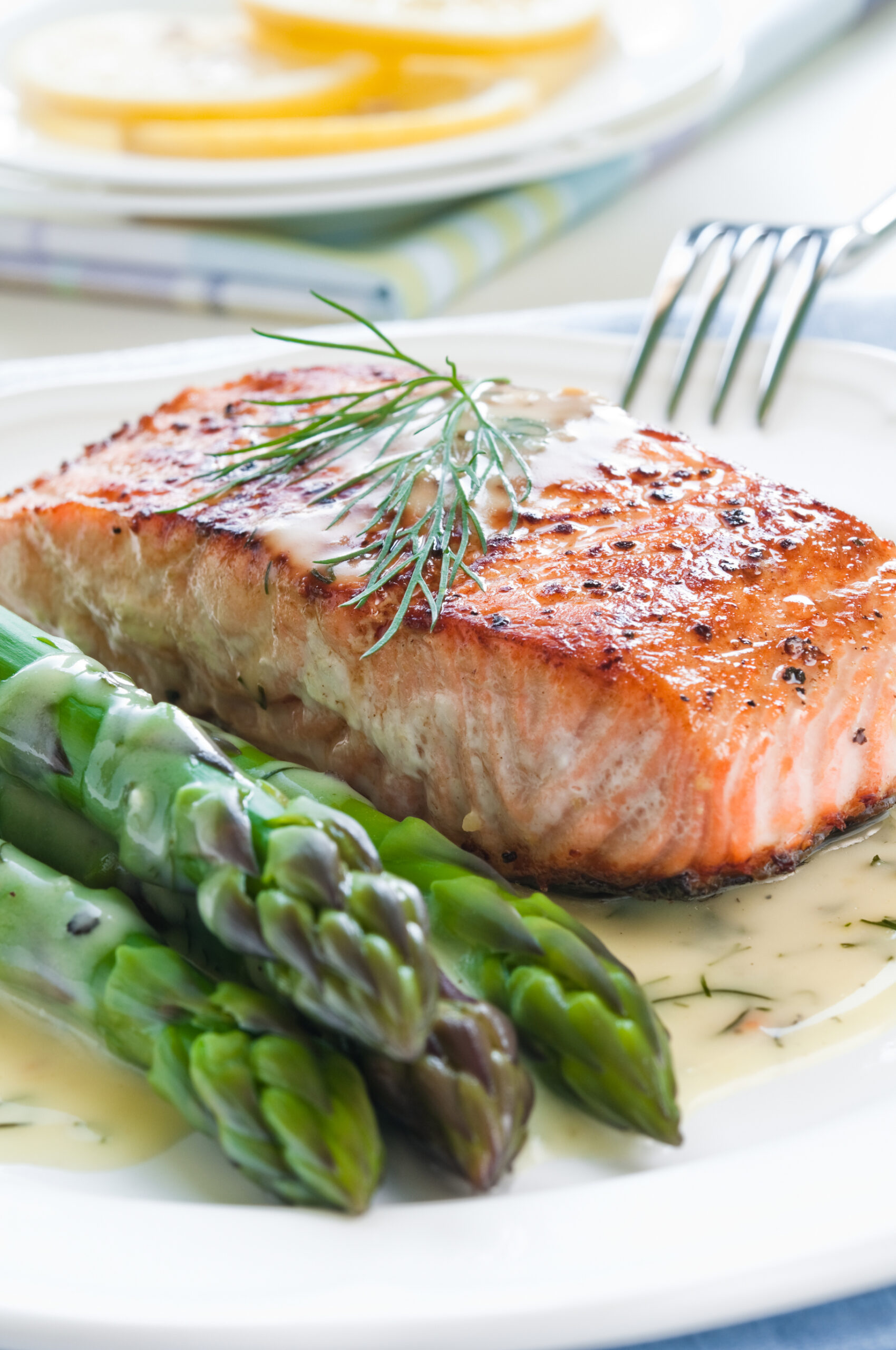
Whole, single foods such as vegetables, fruits, meat, fish, poultry, eggs, nuts, seeds, yams, potatoes, and healthy oils like olive and coconut oil, are great for one’s health and cholesterol. Especially leafy greens, salmon and sardines.

According to the American Heart Association (AHA), eating foods that contain trans fats increases the risk of developing stroke and heart disease by raising LDL (bad) cholesterol and lowering HDL (good) cholesterol levels in the body (3).

For this reason, the World Health Organization (WHO) made an international call to eliminate artificial (industrially produced) trans fats from the food supply globally by 2023 (4).

Eating more soluble fibers 

Soluble fibers are roughage parts of plant derived foods that absorb water and create a semi-solid substance in the gut and also help remove harmful solid fat molecules from the digestive tract.

Soluble fibers nourish healthy microbiomes in the gut and help eliminate LDL cholesterol from the human body. Healthy microbiomes are beneficial bacteria that live in the digestive tract. Good sources of soluble fibers include lentils, beans, peas, fruits, and a number of whole grains, particularly oats.

A study published in 1999 has shown that various dietary soluble fibers can reduce bad LDL and total cholesterol by similar amounts (5).

Adding more omega 3 fats into the regular diet

Omega 3 fatty acids have been found to be beneficial for reducing LDL (bad) cholesterol and increasing HDL (good) cholesterol. Good sources include fatty fish such as mackerel, salmon, and sardines, olive oil, various nuts especially walnuts and almonds, avocados, and flaxseed oil.

The British Journal of Nutrition found that replacing unhealthy fats with omega 3 fats reduced total cholesterol levels within 8 weeks (6).

Natural remedies for high cholesterol  

There are plenty of herbs and foods that have been used as natural remedies for high cholesterol for decades. Most popular natural remedies for high cholesterol may include garlic, psyllium, flaxseed, ginger, and more.

Natural herbs and foods have a long history of therapeutic use, and multiple scientific studies have also substantiated their traditional uses in lowering cholesterol and improving heart health naturally.

Here are five of the best natural remedies for high cholesterol:

Garlic 

Garlic is considered one of the most beneficial herbal remedies and has been widely used as an effective therapeutic ingredient to decrease cholesterol across nearly all cultures throughout the world.

A 2013 review published in the Nutrition Reviews concluded that garlic can be used as an effective alternative to lower cholesterol in people who have slightly elevated cholesterol levels. Garlic was highly tolerable in all trials, it was associated with minimal side effects, and had higher safety levels than conventional cholesterol-lowering medications (7).

Psyllium 

Psyllium is rich in soluble fibers derived from the husks of seeds from a plant botanically known as Plantago ovata. It has a miraculous ability to alleviate cholesterol and blood sugar levels in the body. It also helps relieve constipation.

A research review published in the American Journal of Clinical Nutrition in 2018 has confirmed that psyllium has the property to reduce LDL cholesterol and delay the process of atherosclerosis (clogged arteries).  Psyllium lowered the risk of cardiovascular diseases in people with or without higher levels of cholesterol (8).

Flaxseed

Flax is a flowering plant majorly grown in temperate zones in mild weather. The seeds and the oil extracted from them both contain a considerable amount of omega 3 fatty acids that show many health benefits including lowering LDL cholesterol and increasing HDL cholesterol in the body.

Ginger

Ginger is widely used in the natural medicine system for its potent anti-inflammatory actions. It showed significant beneficial effects in reducing bad cholesterol levels in the human body.

A 2008 study in the Saudi Medical Journal showed ginger can lower bad fats and raise the good ones (9).

Berberine 

Berberine is a naturally occurring compound found in many plants, particularly in a shrub group called Berberis. Berberine is found in the roots, stems, and bark of various plants, including goldenseal, barberry, and Oregon grape, and has potent anti-inflammatory benefits. It shows cholesterol-lowering effects of the bad type.

Summary

These are some proven ways to normalize cholesterol naturally but there are more. For anyone who suspects or has been told they have high cholesterol, it’s best to seek out a naturopathic doctor or nutritionist so they can customize the best natural remedies for each individual.

In the meantime, have the person get outside for some good walks, put some garlic in their meals, avoid fast food and highly processed foods, and eat more salmon, walnuts and vegetables.

References:

  1. World Health Organization. “Cardiovascular Diseases.” int, World Health Organization: WHO, 2019, www.who.int/health-topics/cardiovascular-diseases#tab=tab_1.
  2. Barnard, R. James. “Effects of Life-Style Modification on Serum Lipids.” Archives of Internal Medicine, vol. 151, no. 7, 1 July 1991, pp. 1389–1394, jamanetwork.com/journals/jamainternalmedicine/article-abstract/615295, 1001/archinte.1991.00400070141019.
  3. American Heart Association. “Trans Fats.” heart.org, 23 Mar. 2017, www.heart.org/en/healthy-living/healthy-eating/eat-smart/fats/trans-fat.
  4. Li, Chaoyang, et al. “Global Surveillance of Trans-Fatty Acids.” Preventing Chronic Disease, vol. 16, 31 Oct. 2019, www.cdc.gov/pcd/issues/2019/19_0121.htm, 5888/pcd16.190121.
  5. Brown, Lisa, et al. “Cholesterol-Lowering Effects of Dietary Fiber: A Meta-Analysis.” The American Journal of Clinical Nutrition, vol. 69, no. 1, 1 Jan. 1999, pp. 30–42, 1093/ajcn/69.1.30.
  6. Ulven, Stine M., et al. “Exchanging a Few Commercial, Regularly Consumed Food Items with Improved Fat Quality Reduces Total Cholesterol and LDL-Cholesterol: A Double-Blind, Randomised Controlled Trial.” British Journal of Nutrition, vol. 116, no. 8, 14 Oct. 2016, pp. 1383–1393, www.cambridge.org/core/services/aop-cambridge-core/content/view/S0007114516003445, 1017/s0007114516003445. Accessed 19 July 2020.
  7. “Validate User.” oup.com, academic.oup.com/nutritionreviews/article/71/5/282/2460203?login=false.
  8. Jovanovski, Elena, et al. “Effect of Psyllium (Plantago Ovata) Fiber on LDL Cholesterol and Alternative Lipid Targets, Non-HDL Cholesterol and Apolipoprotein B: A Systematic Review and Meta-Analysis of Randomized Controlled Trials.” The American Journal of Clinical Nutrition, vol. 108, no. 5, 15 Sept. 2018, pp. 922–932, 1093/ajcn/nqy115.
  9. Alizadeh-Navaei, Reza, et al. “Investigation of the Effect of Ginger on the Lipid Levels. A Double Blind Controlled Clinical Trial.” Saudi Medical Journal, vol. 29, no. 9, 1 Sept. 2008, pp. 1280–1284, ncbi.nlm.nih.gov/18


Video: Top 7 Hot Flashes Remedies for Menopause

Greetings,

Menopause is a natural process when the production of female hormones (estrogen and progesterone) declines and a woman stops having her monthly periods.  It usually happens gradually between the ages of 45 and 55.

During this time, a woman can experience uncomfortable menopause symptoms such as hot flashes and night sweats, migraine headaches, anxiety, fatigue and insomnia.

Hormone replacement therapy drugs can help hot flashes, but come with many potential side effects for the heart, lungs and breasts.  As a result, more and more women today are seeking to use natural remedies.

The video below is a brief overview of some of the most proven natural remedies for hot flashes in menopause.  More details about each of these can be found in articles in the Nutrition Breakthroughs blog.  Use the search option in the top menu to learn more about them.

Make good use of these natural remedies to stay “cool as a cucumber!”

hot flashes remediesThis natural health information is shared with you by Sleep Minerals II, the effective natural sleep aid that is also beneficial for hot flashes, restless leg syndrome, bone health, teenage insomnia and mineral deficiencies.

Video: Sleep Remedies for Insomnia – Best Minerals to Take

sleep remediesGreetings to you,

This brief video is an entertaining overview of the best minerals for creating a deeper, longer, more relaxing sleep.  In this article, we will go into more detail about each one of these sleep remedies.

There are four minerals that are researched and particularly proven to be good sleep remedies.

Calcium: This mineral is directly related to our cycles of sleep. In one study published in the European Neurology Journal, researchers found that calcium levels in the body are higher during some of the deepest levels of sleep, such as the rapid eye movement (REM) phase.

Adelle Davis is one of the earliest nutritionists to base her dietary recommendations on scientific research studies. Davis writes about the roles of calcium in her book “Let’s Eat Right to Keep Fit.” She suggests natural sleep remedies for insomnia and says: “A calcium deficiency often shows itself by insomnia, another form of an inability to relax. The harm done by sleeping tablets, to say nothing of the thousands of dollars spent on them, could largely be avoided if the calcium intake were adequate.”

Magnesium: In magnesium deficiency, chronic insomnia is one of the main, central symptoms. Sleep is usually agitated with frequent nighttime awakenings. On the other hand, a high magnesium diet has been found to be associated with deeper, less interrupted sleep. This was proven in a study done by James Penland at the Human Nutrition Research Center in North Dakota.

James F. Balch, M.D., author of Prescription for Nutritional Healing, writes that: “A lack of the nutrients calcium and magnesium will cause you to wake up after a few hours and not be able to return to sleep.”

Zinc: A study in a scientific journal found evidence indicating that zinc may be involved in the regulation of sleep. Their research concludes that the amount of sleep varies according to the amount of zinc in the blood, while orally administered zinc increases the amount and the quality of sleep in mice and humans.

Another study on zinc points in the direction that people taking extra calcium should also increase their zinc intake in order to prevent calcium from blocking zinc absorption into the body. The richest dietary sources of zinc are oysters, liver and beef, followed by nuts, popcorn, poultry and lamb.

Potassium: One recent study from the Journal “Sleep” researched the effects of potassium supplements as sleep remedies.  After one week of taking potassium supplements, there were significant improvements in the quality of sleep and less waking up during the night.

A deficiency of potassium can interfere with restful sleep due to the potential for stiff muscles or muscle spasms in the night. The blood needs to maintain a good balance between potassium and sodium (salt).  Potassium is found abundantly in fresh vegetables and fruits, so these are a good focus as opposed to eating a lot of processed or packaged foods containing high sodium.

One popular supplement containing many of these minerals is Sleep Minerals II from Nutrition Breakthroughs.  Richard P. of Parkville, Maryland says, “The Sleep Minerals are making quite a difference. I was regularly waking up at around 3:00 a.m. and after a few days use my sleep improved quite a lot. I wake up once a night to go to the bathroom, but the great thing is, I then fall back asleep and sleep several more hours. This has been a great improvement.”

Make good use of minerals in foods and supplements to ensure getting a great night’s sleep.  To learn more, visit the Sleep Minerals II page.

How to Sleep with a Snoring Spouse: Short Video

snoring spouseGreetings to you,

If you’ve ever had to sleep with a snoring spouse, you’ll appreciate the practical and workable tips in this short video.

It covers the best positions for the snorer to sleep in, tips for them to sleep better, and some things that their mate can do.

Enjoy the video below and put it to good use as needed.

Here’s to your good health and great sleep,

Jobee Knight
Nutrition Breakthroughs
Maker of Sleep Minerals II

The Top 6 Stress Relief Remedies – Short Video

stress reliefGreetings to you,

Are you stressed out?  Do you know anyone who has a lot of stress in their life?  This video will be a breath of fresh air for them.

Take a look and then feel free to share it with family or friends who would like it.  Here’s to relief from stress for all of us!

Jobee Knight
Nutrition Breakthroughs
Maker of Sleep Minerals II

True Story #2 – How I Came To Do What I Do

Greetings to you,

This is Jobee from Nutrition Breakthroughs. Thanks for reading my articles on natural health discoveries, health tips, and remedies.

This is #2 in a series that describes the story of how Nutrition Breakthroughs started and how it’s health articles and supplements came into being.

Around the time that Nutrition Breakthroughs started a couple decades ago, I was living in the Los Angeles area. An opportunity came up for me to do some courses that I really wanted to do in Florida.

I decided to take the trip there – all the way to another coast that I’d never been to before. In order to get the most out of my studies, it was important that I eat well, feel healthy and get a lot of restful sleep.

The only thing interfering with this is that I was unable to get hardly any sleep at all in anticipation of the trip. I got on the plane anyway for the 6 or 7 hour flight, including layovers. The plane touched down in Tampa and I had finally arrived.

As far as my sleep went in Florida, I continued to wake up several times during the night and had tremendous difficulty falling back asleep. I had studied in my nutritional research that calcium and magnesium could help people relax and sleep more deeply.

I searched around and found a product that had these minerals in it and it was formulated in a softgel with oils for better absorption. I began to take it, sometimes every hour during the night when I woke up. It started making a big difference.

I would take one of these often during the night and actually be able to go back to sleep. This was the beginning of a major advancement for Nutrition Breakthroughs. (Although not every sleep aid should be taken this frequently)!

If a supplement like this could actually help me with severe insomnia, would it be worth it for me to create a similar one for my company Nutrition Breakthroughs and help others who have this problem to sleep better too?

Tune in to the next blog article and read it to find out!

So now it’s your turn. I would love to hear from you. Was there ever a similar thing that happened to you where you were so pleased to find a natural remedy that actually worked?

Let me know by sending an email to info@nutritionbreakthroughs.com. I check this inbox myself and I may not reply to each message, but I do read each one. It helps me to provide good information that is of interest.

Here’s to your good health and good sleep.

Jobee Knight
Nutrition Breakthroughs

True Story #3: Real Reviews from Real People for Nutrition Breakthroughs

nutrition breakthroughs reviewsGreetings to you,

This is Jobee Knight from Nutrition Breakthroughs. Thank you for being a valued reader of the natural health discoveries I share!

This article is #3 in a series that tells the true story of how Nutrition Breakthroughs started and how it’s health articles and supplements came into being.

In the last article I talked about my own struggles with insomnia and how I finally solved it.  And also how I came to develop a nutritional product that would help other sleepless people to sleep better.

I had also seen people struggle with joint stiffness and pain that interfered with their lives and activities, so I created a product that remedies this.

Over the last nine years since providing these products, I’ve spoken with customers over the phone and in emails and helped them to do better.

When they need it, I help them to customize the use of the supplements to their own particular needs.

So now, moving forward to the present, Sleep Minerals II and Joints and More are both sold on the Nutrition Breakthroughs website and also on Amazon.

The Amazon’s Choice badge is proudly displayed on the Sleep Minerals II listing with the statement that: “Amazon’s Choice highlights highly rated, well-priced products, available to ship immediately.”

Here’s a sample of some real reviews from real people:

R. Boulos of Houston, TX. says: “I’ve been taking the Joints and More and it’s helping a great deal. After taking it twice a day, I notice that when I wake up in the morning the pain I was having in my front and back shoulders is almost gone.”

C. Drozdowski says: “After about a month of starting to take Joints and More my hair began growing like crazy. I figured if my hair was growing that fast, then maybe my nails would also. So I took my fake nails off and for the first time in my entire nail-biting life I have MY OWN nails! They are getting stronger with each passing week.”

Tammy M. of Meridian, Idaho says: “I was plagued with insomnia for five years and desperate for a breakthrough. Nothing has helped me more than Sleep Minerals — I’m so sold on them I could go door to door promoting them. I’m 60 years old and have never slept so soundly.”

Richard P. of Parkville, Maryland says: “The Sleep Minerals are making quite a difference. I was regularly waking up at around 3:00 a.m. and after a few days use my sleep improved quite a lot. I wake up once a night to go to the bathroom, but the great thing is, I then fall back asleep and sleep several more hours. This has been a great improvement.”

Be sure to let me know if you have any questions about how to have better sleep or stronger joints and bones.  You can email me at info@nutritionbreakthroughs.com.

Here’s to your good health and long life!

Jobee Knight
Nutrition Breakthroughs
Maker of Sleep Minerals II and Joints and More

Essential Ways to Sleep Better Despite Chronic Back Pain

By Dr. Brent Wells, Doctor of Chiropractic

healthy sleepWhile everyone has trouble falling asleep now and then, if you find that you are frequently having difficulty falling asleep or staying asleep because of back pain, you aren’t alone.

Poor sleep is a well-known cause of a wide range of both psychological and physical effects.  For one thing, it can be nearly impossible to find a comfortable sleeping position.  Another contributing factor is that while gentle exercising and walking can create better sleep, a lack of exercise due to chronic back pain makes sleep more elusive.

The Catch-22

One of the main issues is that sleeping poorly makes back pain worse and the worse your back pain, the less quality sleep you will have.

“Rapid Eye Movement” or REM sleep is one of the deepest, most necessary and health-rejuvenating phases of sleep. Your body may be more sensitive to pain when you can’t get some serious REM sleep.  A lack of quality sleep only increases inflammation, which contributes to pain and can also lead to depression.

Normal Quality Sleeping

Sleep isn’t just a nice past time; it is vital for the body’s overall functioning. Quality sleep, meaning REM sleep, allows the body to rest and conduct its needed functions, such as the removal of old hormones and the creation of new ones, and it can’t do this when the mind is awake.

While there is no true “normal” amount of sleep, most people need between 7 and 9 hours each night. Of course, some seem to operate fine on 6 hours and others need 11, but since one’s sleep requirements change during a person’s lifetime, there is no one perfect number of hours, only what is perfect for you.

Sleeping with Chronic Back Pain

If you suffer from chronic back pain, you might find getting enough quality sleep a real problem.

While it might seem impossible, there are plenty of ways you can try that have been shown to help those with lower back pain or chronic back pain get the sleep they desperately need.

Let me share with you the tips I give my patients when it comes to sleeping with back pain.

Essential Tips for Sleeping with Back Pain

Keep in mind that not everything will work for everyone. If one method doesn’t work for you, don’t be afraid to try something else.

Essential Tip #1- Eat Foods That Are Known to Stop Inflammation

It’s a fact that some foods encourage inflammation while others help to put out that fire. Inflammation causes pain, so the more you can do to stop inflammation, the less pain you will have. Some of the best anti-inflammatory foods include:

  • Green leafy veggies, such as spinach and chard
  • Fatty fish
  • Colorful fruits, such as cherries, blueberries, and strawberries
  • Nuts, including walnuts and almonds

Avoid foods that encourage inflammation such as fried foods, sugary treats, junk food and refined flour goods (such as cookies or white bread).

On a side note, eating more anti-inflammatory foods may not only help reduce your pain, but it can help prevent cardiovascular issues and might also prevent cancer.

Essential Tip #2- Get in at Least Some Stretching and Exercise Daily

I know, right about now, you are saying “How can I exercise when my back hurts so much?” This is another terrible Catch-22 in life. You need to exercise and stretch to stop back pain, but exercise and stretching hurt your back.

Nearly everyone can do at least some sort of exercise and stretching. I often recommend yoga stretches to my patients, since it’s a good way to do both. It might not be aerobic, but it will help to strengthen the muscles, as well as stretch them. Once you are feeling stronger, your back pain will be reduced, and you might be able to try some other forms of exercise.

Swimming and water aerobics are also an activity I highly recommend. If these are open at this time in your area, check with your YMCA, YWCA, or other community pools regarding classes.

Essential Tip #3- Try Natural Supplements

There are plenty of supplements that can help to reduce inflammation, as well as promote sleep. Some of the best ones would be calcium and magnesium, which have been proven to induce natural sleep and are directly related to our sleep cycles.

Anti-inflammatory supplements include curcumin, fish oil, ginger, and alpha-lipoic acid, or ALA. If you are unsure about interactions with your current medications or if you want to know more about which supplements might be best for you, consult with your primary care physician or chiropractor.

Essential Tip #4- Time for a Bed Check

You might think that your bed is just fine, but the truth is that most mattresses have a lifespan of only 10 years. If your mattress is more than 10 years old, you aren’t doing your back any favors by sleeping on it.

I know that mattresses can be expensive and if you are wondering which mattress would be best for your back, you might consider the Casper Wave mattress, as recommended by the American Chiropractic Association.

These are not terribly expensive, and you don’t need a fancy box spring or anything other than a flat surface to set it on.  I’ve had many clients say that they were skeptics, but after just a few nights with this mattress, they slept like a baby.

Essential Tip #5- Pillow Talk

Many people sleep with the same pillow for decades, but like mattresses, these can wear out in as little as 4 years. If you also experience neck pain along with back pain, your pillow might be to blame. Try different pillows until you find the one that works best for you.

I also recommend body pillows. These long, very flexible pillows can be molded into many positions, allowing you to support your back and reduce back pain.

If you have tried all of the above and you still experience back pain that keeps you awake, it’s time to consult a professional. See your primary care physician or your chiropractor for practical advice and a health checkup.

******************************************************************************************
This article is shared by Nutrition Breakthroughs, maker of the original calcium and magnesium based sleep aid Sleep Minerals II.

About the Author:

Dr. Brent Wells founded Better Health Chiropractic & Physical Rehab in 1998. He is a graduate of the University of Nevada where he earned his Bachelor of Science degree before moving on to complete his doctorate from Western States Chiropractic College. The goal for Dr. Wells is to treat Anchorage Alaska patients through physical therapy, chiropractic care, and massage therapy, with care and compassion while providing them with a better quality of life.

Will chronic back pain ever go away?

In this article, Dr. Brent Wells, Doctor of Chiropractic, shares the tips he gives to his patients when it comes to remedying chronic back pain. The article includes how to sleep better, which foods to eat, gentle exercises and stretches, supplements to take, and tips for mattresses and pillows.

How Magnesium Offers Natural EMF Protection

natural emf protectionExposure to electromagnetic fields, or EMFs, is an expected occurrence in our daily lives. Although this is not a new development, the dose and frequency has continued to rise significantly over the last decade.

With the majority of the public continuously exposed to EMFs, researchers estimate up to 13% of these individuals experience adverse health complications (1).

Where do EMFs come from?

EMFs are produced both naturally in our environment and through technology. Now, it has become increasingly difficult to avoid EMFs as our cellphones, laptops, electricity in our homes and businesses, appliances, and industrial equipment all generate EMFs.

How do EMF’s create unhealthy side effects?

EMF research continues to uncover the unhealthy side effects of frequent EMF exposure and their findings suggest this is becoming a growing public health concern. (2). One of the key negative effects on health associated with prolonged EMF exposure is oxidative stress (3)

Oxidative stress, or an imbalance of oxygen in the body, occurs when there are more unhealthy molecules in the body compared with the anti-oxidants like vitamin C and E.  The anti-oxidants can neutralize and dissolve unhealthy oxygen molecules, which act to cause cell damage, a variety of illnesses, and increase the effects of aging over time.

Other complications of EMF exposure include the opening of calcium channels in the brain (4), along with an increased use of magnesium, calcium and zinc, leading to depleted levels of these crucial nutrients (5).

How calcium channels work

Calcium channels exist in the body to selectively allow calcium ions into our cells. Calcium ions are charged molecules that play an important role in cell activity and function.  They help with communication between cells and affect all stages of our cell’s life cycles. This system is tightly regulated, so when these channels begin opening abnormally due to EMF radiation, it can lead to symptoms such as (6):

  • Headaches
  • Irritability
  • Fatigue
  • Insomnia
  • Pain/tingling due to nerve stimulation

A natural remedy for this can be selecting magnesium-rich foods to eat, as well as taking magnesium supplements. Both can offer natural EMF protection.

The benefits of magnesium for natural EMF protection

Magnesium is a great example of a nutrient important for EMF radiation protection. Why? Well, it is involved in over 300 chemical processes in the body, including the support of several anti-oxidant enzymes (7).

Enzymes play a vital role in our bodies and they help speed up chemical reactions that take place in nearly all cells.  With magnesium acting to fuel our anti-oxidant enzymes, it ultimately has the ability to help decrease oxidative stress due to sustained EMF exposure. In addition, magnesium acts as a natural calcium channel blocker (8).

Beyond magnesium’s role in improving anti-oxidant capacity and calcium channel blocking, it regulates neurotransmitters (chemical messengers in the brain that affect our mood and stress response) and enables us to transition away from our fight and flight reactions, and into a calm, more peaceful state (9).

In fact, the calming effect of magnesium is so significant that it has been coined “the original chill pill”. So for those struggling with poor sleep quality or impaired immunity due to stress, EMF exposure, or inflammation, magnesium supplementation is key.

Top dietary sources of magnesium

Despite its crucial role in the body, about half the U.S. population aren’t getting enough of it (10).  Magnesium is considered one of the most prevalent nutrient deficiencies in the United States, following closely behind vitamin D deficiency.

Deficiency is easily remedied by incorporating foods rich in magnesium into your diet. Top sources of magnesium include:

  • Seeds – 764 mg in 1 cup pumpkin seeds
  • Nuts – 307 mg in 1 cup of nuts
  • Dark leafy greens – 157 mg in 1 cup of cooked spinach
  • Fatty fish – 53 mg in ½ salmon filet
  • Legumes – 48 mg per serving
  • Avocado – 42 mg in a whole avocado

Final thoughts

If you struggle from symptoms of EMF exposure and are looking to implement natural EMF protection measures in your life, ensuring you are receiving adequate doses of magnesium in your diet is key. The daily Recommended Dietary Allowances (RDA) for magnesium are as follows:

  • 400 mg/day for men between 19-30 years
  • 310 mg/day for women between 19-30 years
  • 420 mg/day for men over 31 years
  • 320 for women over 31 years

Another option is to supplement with a highly absorbable form of magnesium. An example of a product that contains this is Sleep Minerals II from Nutrition Breakthroughs. In addition to containing magnesium that’s mixed with healthy oils in a softgel form, it also includes calcium and zinc, which can become depleted over time due to prolonged EMF exposure.

References:

  1. https://pubmed.ncbi.nlm.nih.gov/26372109/
  2. https://www.who.int/gho/phe/emf/en/
  3. https://link.springer.com/article/10.1007/s11011-017-0016-2
  4. https://pubmed.ncbi.nlm.nih.gov/26368042/
  5. https://pubmed.ncbi.nlm.nih.gov/20872091/
  6. https://pubmed.ncbi.nlm.nih.gov/15031956/
  7. https://pubmed.ncbi.nlm.nih.gov/26404370/
  8. https://pubmed.ncbi.nlm.nih.gov/1494942/
  9. https://pubmed.ncbi.nlm.nih.gov/19621270/
  10. https://pubmed.ncbi.nlm.nih.gov/28140318/
What EMF protection works?

Magnesium is a great example of a nutrient that’s important for EMF radiation protection. It is involved in over 300 chemical processes in the body, including the support of several anti-oxidant enzymes. With magnesium acting to fuel our anti-oxidant enzymes, it ultimately has the ability to help decrease oxidative stress due to sustained EMF exposure.

What is the best EMF protection?

It’s helpful to turn your Wi-Fi connection off when you’re not using the internet and also at night to protect your immune system while you sleep. EMF-blocking clothing can make a difference, such as beanies and shirts that contain silver threading. Avoid wireless watches, headsets and other wireless devices. Use regular, old-fashioned light bulbs rather than compact fluorescent ones that can give off “dirty energy.”

Studies Show Olive Oil for Sleep and Strong Bones

olive oil for sleepStudies are showing that olive oil is beneficial for many aspects of our health.

Olive oil can help strengthen the heart, support normal blood pressure and blood sugar levels, and can calm inflammation. 

The oil assists with good sleep, supports the brain, and may prevent strokes.  Stiff joints and arthritis can also be relieved with olive oil, especially when combined with fish oil (per Healthline.com).

Regarding olive oil for sleep, a recent study appeared in a journal that writes about the health of older people.  This study included 1,639 people and found that eating a Mediterranean type diet improves the quality of sleep in older adults.  The Mediterranean diet includes foods such as fruit, vegetables, olive oil, fish, nuts, seeds and whole grains. 

Olive oil is a key component of this way of eating – a tradition that has developed in the European countries that surround the Mediterranean Sea.

Those in the study that didn’t adhere to the Mediterranean diet as well, had poorer sleep quality. The adults in the study that followed the diet more closely reaped the following benefits: More sound sleep through the night, falling asleep more quickly, feeling well rested when they woke up and during the day, and they were happy about the amount of sleep they got overall.

Olive oil has also been proven to help bone strength.  According to the International Osteoporosis Foundation: “Osteoporosis and low bone mass are currently estimated to be a major public health threat for almost 44 million women and men aged 50 and older in the USA.”

A recent study from the International Journal of Environmental Research and Public Health has discovered that olives, olive oil and their potent plant nutrients called “polyphenols”, have a high potential for strengthening bones and preventing osteoporosis. Human research shows that daily consumption of olive oil can prevent a decline in bone mineral density. 

Some good ways to eat olive oil is to use it in salad dressings and on vegetables, rub it on meat and fish before cooking to keep it moist, use it instead of butter in sauces and gravies, spread it on fresh bread, and saute or cook food with it.

This natural health news is provided by Nutrition Breakthroughs, a publisher of nutrition articles and supplier of natural remedies since 2002. Nutrition Breakthroughs makes Sleep Minerals II, the effective natural sleep aid with calcium, magnesium, zinc and vitamin D. 

The company also makes Joints and More, the natural solution for joint relief, aches and pains, stronger hair and nails and more energy.

Olive oil for sleep?

Regarding olive oil for sleep, a recent study of 1,639 people found that eating a Mediterranean type diet high in olive oil improves the quality of sleep. This diet includes foods such as fruit, vegetables, olive oil, fish, nuts, seeds and whole grains. The people in the study who ate this way were able to fall asleep faster, sleep longer and wake up refreshed.

Is olive oil good for osteoporosis?

A recent study from the International Journal of Environmental Research has discovered that olives, olive oil and their potent plant nutrients have a high potential for strengthening bones and preventing osteoporosis. Human research reveals that daily consumption of olive oil can prevent a decline in bone mineral density. 

What are health benefits of olive oil?

Olive oil can help strengthen the heart, support normal blood pressure and blood sugar levels and can calm inflammation.  It assists with good sleep, supports the brain and may prevent strokes.  Stiff joints and arthritis can also be relieved with olive oil, especially when combined with fish oil